Becoming a Chartered Accountant is not easy. It takes years of study, discipline, and patience. Many students sacrifice social life, financial independence, and even mental peace to clear the exams.
But here is something important that is not discussed enough.
Even after becoming a CA, some people choose to leave the profession completely.
This may sound surprising, but it is happening more often than you think. If you are a CA aspirant or a newly qualified CA, it is important to understand why this happens so that you can make better career decisions.
Let us break this down in a simple and practical way.
Is Leaving the CA Profession Really Common?
You may not see it openly, but yes, it is more common than it appears.
Many qualified CAs:
- Move to different careers like consulting, startups, or finance roles
- Shift towards MBA and management careers
- Enter completely different fields like content creation, teaching, or entrepreneurship
This does not mean CA is a bad profession. It simply means that the expectations of individuals and the realities of the profession do not always match.
Why Do Some CAs Feel That the Effort Was Not Worth It?
The journey to becoming a CA is long and demanding.
You spend:
- 4 to 6 years in preparation
- Low stipend during articleship
- Multiple attempts in exams for many students
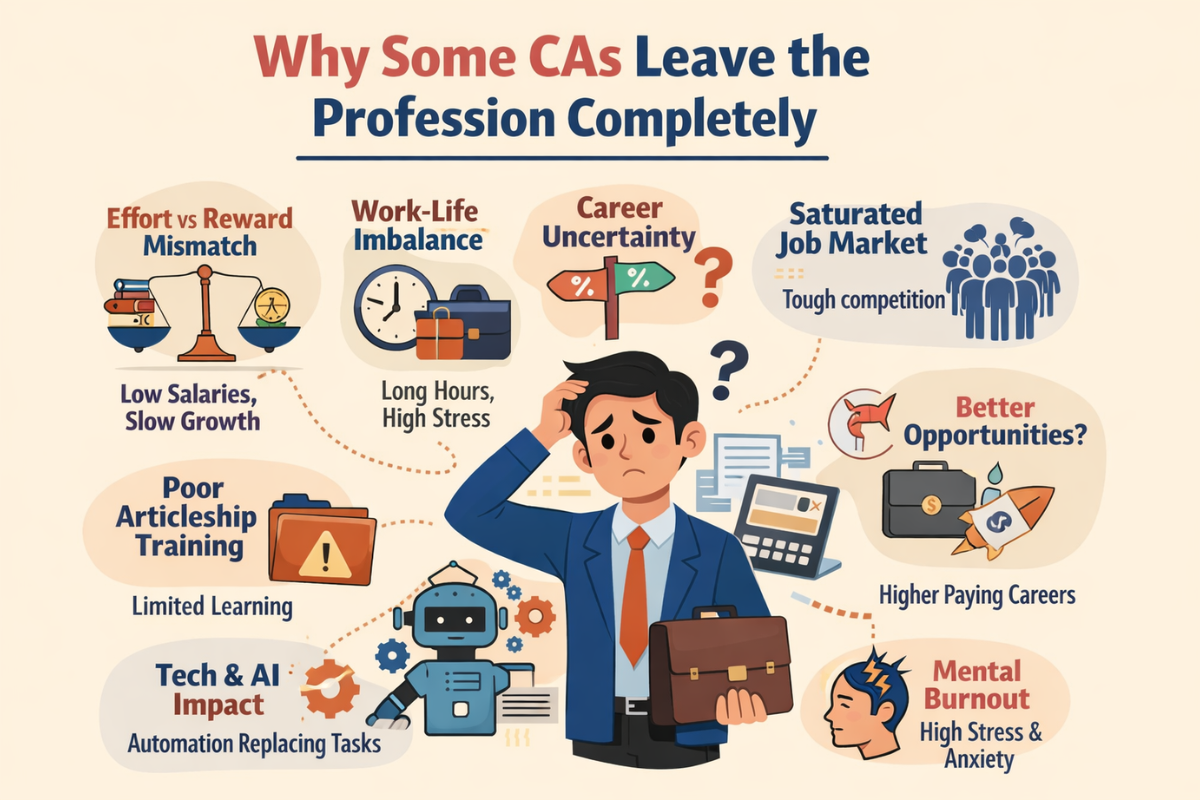
After all this, when you enter the job market, the initial salary and growth may not match your expectations.
For example:
- Some entry-level roles offer moderate salaries compared to the effort involved
- Work may be compliance-heavy and repetitive
- Growth depends heavily on skills and exposure, not just the degree
This creates a gap between what you expected and what you actually get.
When this gap becomes too large, you may start questioning your career choice.
Does Work-Life Balance Play a Role?
Yes, and a very important one.
Many CA roles, especially in audit, taxation, and practice, involve:
- Long working hours during peak seasons
- Strict deadlines and client pressure
- Weekend work in some cases
In the beginning, you may accept this as part of learning. But over time, it can lead to:
- Physical exhaustion
- Mental fatigue
- Loss of motivation
If you do not find satisfaction in the work itself, this imbalance becomes difficult to sustain. That is when many people start exploring other options.
Qualification?
This is one of the most underestimated problems.
After becoming a CA, you have multiple options:
- Practice
- Job in a firm or company
- Specialisation in areas like finance, taxation, or consulting
- Further studies like an MBA
But here is the issue.
No one clearly tells you:
“What should you choose based on your strengths?”
As a result, you may:
- Take a job just because it is available
- Follow what your peers are doing
- Enter a role without understanding long-term growth
After a few years, you may realise that the path you chose does not suit you. This creates confusion and dissatisfaction, which can push you out of the profession.
Are Competition and Saturation Affecting CAs?
Yes, the landscape has changed.
Earlier, being a CA automatically gave you a strong advantage. Today:
- More students are qualifying every year
- Companies have more options while hiring
- Entry-level roles are more competitive
Because of this:
- Salaries may not increase as expected
- You may need additional skills to stand out
- Getting your desired role becomes harder
If you do not continuously upgrade yourself, you may feel stuck. This feeling of stagnation is one of the reasons why some CAs leave the profession.
How Does Articleship Impact Long-Term Career Decisions?
Articleship plays a very important role in shaping your career.
Ideally, it should:
- Give you practical exposure
- Help you understand different areas
- Build confidence and skills
But in reality, this is not always the case.
In some firms:
- Work becomes repetitive
- Exposure is limited to one type of task
- Learning depends on the team you are placed in
Because of this, you may complete your articleship without strong practical skills. When you enter the job market, you may feel underprepared.
This lack of confidence can push you towards other fields where you feel you can start fresh.
Is Technology Changing the CA Profession?
Yes, and this is something you cannot ignore.
Today:
- Software handles accounting and compliance tasks
- Automation reduces manual work
- AI tools assist in audits and analysis
This means that traditional roles are changing.
If you focus only on routine work, you may feel:
- Your role is becoming less valuable
- Growth opportunities are limited
- Work is becoming less interesting
On the other hand, CAs who move towards advisory, strategy, and analysis continue to grow.
If you do not adapt to these changes, you may feel left behind, which leads to career shifts.
Why Do Other Career Options Attract CAs?
Many CAs leave because they see better opportunities elsewhere.
Some common alternatives include:
- MBA leading to consulting or corporate roles
- Investment banking and finance careers
- Startups and entrepreneurship
- Roles in technology and analytics
These fields often offer:
- Faster career growth
- Higher earning potential in some cases
- More dynamic and interesting work
When you compare this with your current role, it is natural to feel attracted towards these options.
Does Financial Pressure Influence This Decision?
Yes, especially in the early stages.
During the CA journey:
- You earn very little during articleship
- You depend on family support for years
- Financial independence is delayed
After qualification, if your salary does not improve significantly, you may feel pressure.
You may start thinking:
- Could I have earned earlier in another field?
- Am I financially behind compared to my peers?
This thought process plays a big role in career shifts.
How Important Is Mental Health in This Decision?
Mental health is a major factor, but it is often ignored.
The CA journey involves:
- Exam pressure
- Fear of failure
- Comparison with others
- Uncertainty about the future
Even after qualification, stress does not completely disappear.
If you do not enjoy your work, this stress increases. Over time, it can lead to burnout and loss of interest.
At that point, leaving the profession may feel like the only way to regain control over your life.
Do Some CAs Simply Lose Interest?
Yes, and this is a very honest reason.
As you grow, your interests may change.
You may realise:
- You do not enjoy accounting or compliance work
- You are more interested in business, marketing, or strategy
- You want to build something of your own
There is nothing wrong with this.
The problem is not the profession. It is the mismatch between your interests and your work.
What Can You Learn From This as a CA Aspirant?
Instead of seeing this negatively, you should use this information to make better decisions.
Here are some practical steps you can take:
- Choose your articleship carefully
Your articleship will shape your skills and confidence. Focus on learning, not just completing the period. - Explore different areas early
Do not wait until qualification to decide your career path. Try to understand different roles during your journey. - Build additional skills
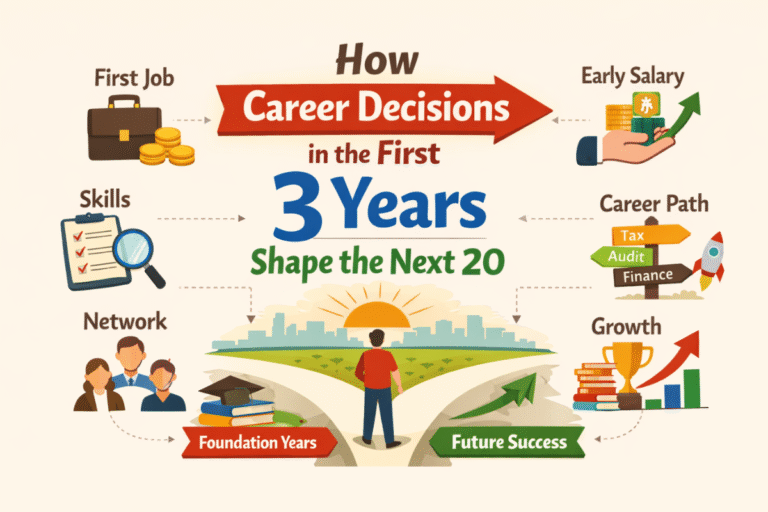
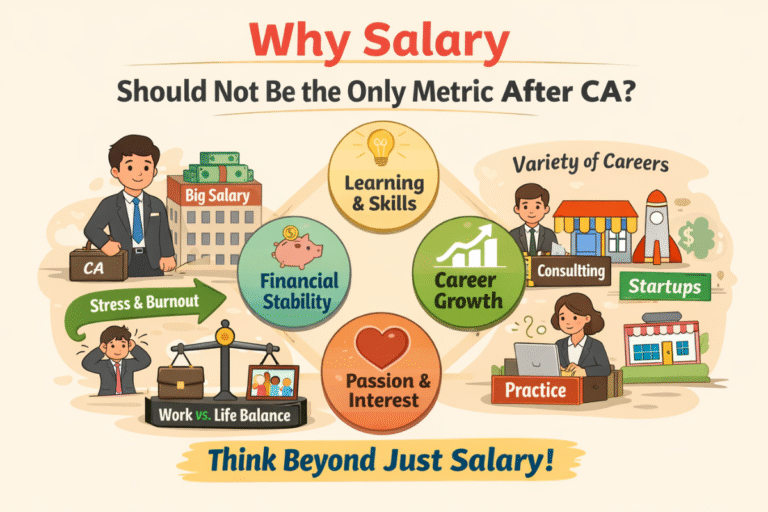
Learn tools, communication skills, and basic technology. These will help you stand out. - Focus on long-term growth, not just salary
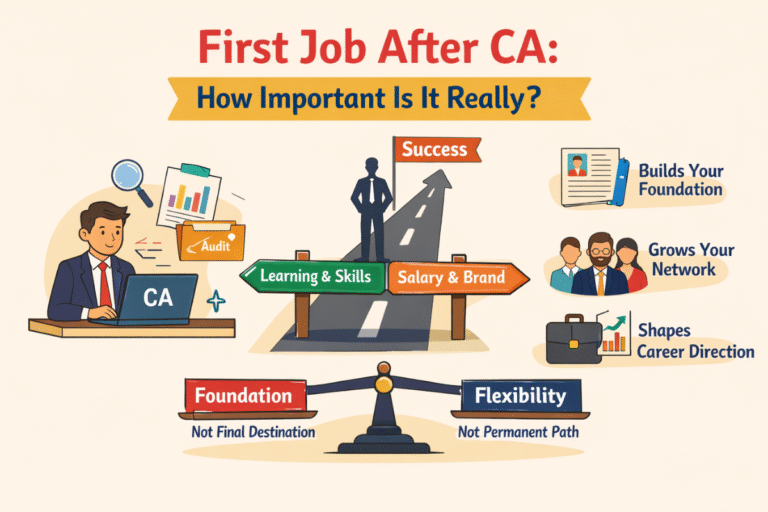
Your first job is important, but your learning matters more in the initial years. - Be open to change
The profession is evolving. You need to evolve with it.
Conclusion
Some CAs leave the profession not because the degree is useless, but because their expectations, interests, and career paths do not align with the reality of the profession.
Factors like work-life balance, lack of clarity, competition, technology, and personal interests all play a role in this decision.
If you understand these challenges early, you can avoid common mistakes and build a career that suits you.
In the end, CA is a strong foundation. What matters is how you use it to create a career that gives you growth, satisfaction, and stability.
Calling all CA dreamers!
🔴 Are you tired of searching for the perfect articelship or job?
Well, fear no more! With 10K+ students and professionals already on board, you don't want to be left behind. Be a part of the biggest community around! Join the most reliable and fastest-growing community out there! ❤️
And guess what? It’s FREE 🤑
✅ Join our WhatsApp Group (Click Here) and Telegram Channel (Click Here) today for instant updates.